
How Energy Monitoring Helps Businesses Control Electricity Costs
Electricity is a significant operating expense for many South African businesses. While monthly utility bills show how much energy has been consumed, they rarely explain exactly where that electricity was used or whether some of it could have been saved.
Energy monitoring gives businesses a clearer understanding of their consumption, making it easier to identify inefficiencies, manage costs, and make informed decisions about future improvements.
Understanding Where Your Electricity Goes
Every business has its own energy consumption patterns.
A manufacturing facility may use most of its electricity to operate machinery, while a commercial office could have significant demand from air conditioning, lighting, and technology.
Without accurate information, identifying the largest sources of consumption can be difficult.
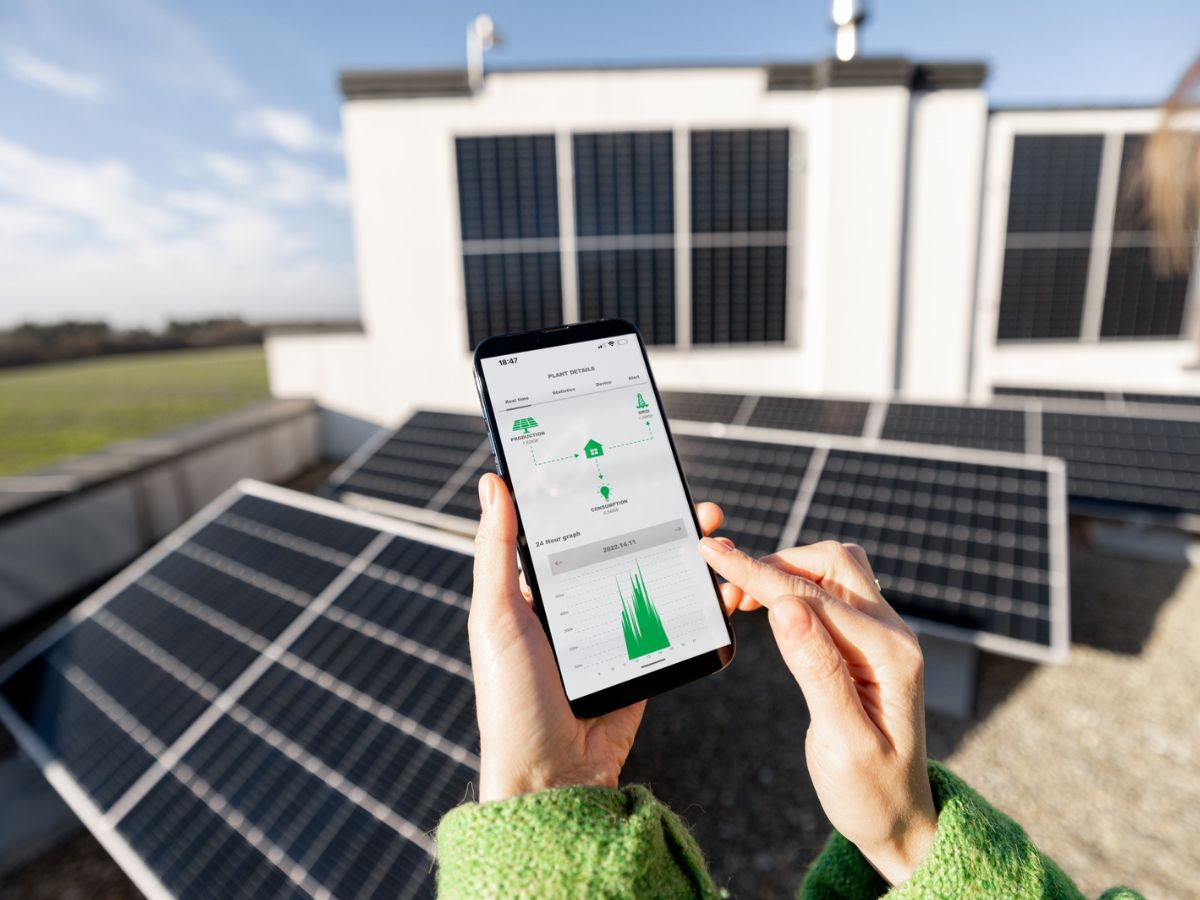
Energy monitoring systems collect consumption data over time, helping businesses understand when electricity is being used and which activities contribute to demand.
This information provides a useful starting point for improving energy efficiency.
Identify Unnecessary Energy Consumption
Not all electricity consumption contributes directly to productivity.
Equipment left operating outside business hours, inefficient temperature settings, and machinery running unnecessarily can increase operating expenses without delivering additional value.
Monitoring can help reveal these patterns.
For example, a business may discover that electricity consumption remains unusually high overnight, even when most operations have stopped.
Investigating the cause could uncover opportunities to adjust operating schedules or improve equipment management.
Make Better Decisions About Solar Energy
Energy monitoring is particularly useful for businesses considering commercial solar installations.
Understanding electricity demand throughout the day helps determine how much solar generation could realistically be used on site.
A business with substantial daytime consumption may have different requirements from one operating primarily during evening hours.
Understanding Battery Storage Requirements
Consumption information can also help businesses assess whether battery energy storage would be beneficial.
By examining demand patterns and identifying critical equipment, businesses can make more informed decisions about storage capacity and how stored electricity might be used.
The goal is to select a solution that matches actual operational requirements.
Measure Whether Improvements Are Working
Once changes have been introduced, ongoing monitoring allows businesses to evaluate their effectiveness.
Comparing consumption before and after an improvement can help identify whether electricity usage has decreased.
However, factors such as production volumes, seasonal changes, and operating hours should also be considered when assessing results.
This provides a more accurate picture of energy performance.
Improve Energy Efficiency With Broadleaf
Broadleaf supports businesses looking to improve energy efficiency through practical consulting and energy solutions.
Understanding current consumption is an important part of determining which improvements may provide the greatest value.
Whether a business is reviewing electricity costs, considering solar photovoltaic technology, or investigating battery storage, reliable consumption data can support better decisions.
With the right information, energy management becomes less about reacting to monthly bills and more about making deliberate improvements that support financial and operational performance.